
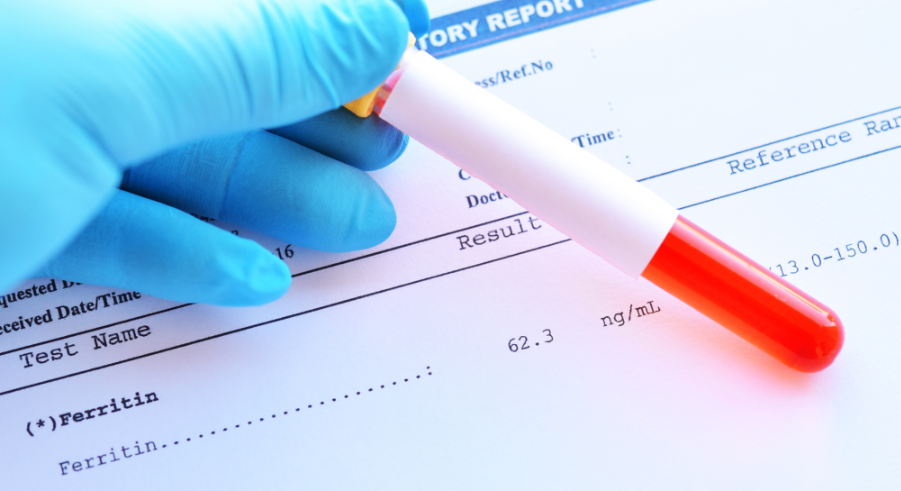
Ferritin, your body’s iron storage, is crucial for producing thyroid hormones like T3 and T4. When ferritin levels dip too low, it can disrupt how well your thyroid functions—even if your thyroid labs look “normal.”
Here’s the kicker: Functional medicine aims for optimal ferritin levels of 70-110 ng/mL, far beyond the standard reference range. Staying in this range could be the game-changer you need for better energy, mental clarity, and overall health.
Here are some practical ways to optimize ferritin for thyroid health:
Check your labs: Make sure ferritin is included alongside TSH, Free T3, and Free T4.
Address deficiencies: Incorporate more iron-rich foods like red meat or spinach, and combine them with vitamin C to maximize absorption.
Consider supplements: A gentle, bioavailable iron supplement can help tackle significant deficiencies without upsetting your stomach.
Don’t ignore vitamin D: Low levels often go hand-in-hand with ferritin issues, so aim for 60+ ng/mL to support thyroid and overall health.
Want to learn more? Check out Elite NP latest blog!
Comments are closed