
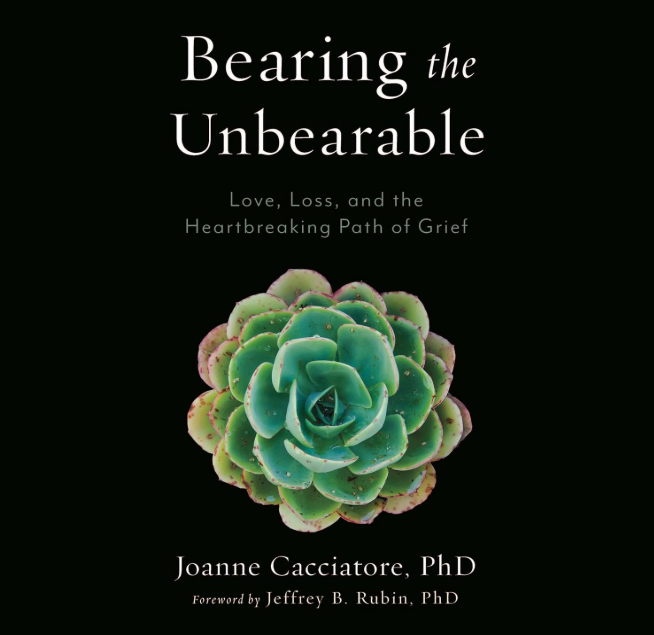
Cacciatore, who founded the MISS Foundation after the death of her infant daughter Cheyenne, writes from the dual perspective of a bereaved mother and a grief counselor. This unique vantage point infuses her work with both personal authenticity and professional wisdom. Here are seven profound lessons this remarkable book offers:
1. Grief Is a Form of Love, Not a Disorder
Perhaps the most revolutionary aspect of Cacciatore’s approach is her insistence that grief isn’t pathology but love. She writes, “Grief is love’s echo,” challenging our culture’s tendency to diagnose and medicate sorrow.
2. The Body Bears What the Mind Cannot
Cacciatore explores grief’s physical manifestations. She explains how trauma
lives in our tissues, creating sensations that can’t be rationalized away.
3. There Is No Timeline for Heartbreak
Throughout the book, Cacciatore dismantles the harmful myth that grief proceeds according to any predictable timeline. She shares stories of people still profoundly grieving decades after a loss—not because they’re “stuck” but because significant loss permanently alters our life narrative.
4. Bearing Witness Is the Greatest Gift
Cacciatore introduces the concept of “traumatic bereavement companioning”—the practice of simply being present with another’s pain without trying to fix, minimize, or redirect it. She argues that our discomfort with others’ suffering often leads to harmful platitudes or avoidance. .
5. Honoring Darkness Creates Space for Light
Unlike many grief resources that rush toward healing and positivity, Cacciatore makes room for grief’s darkness, suggesting that only by fully acknowledging devastation can we authentically encounter moments of joy.
6. Mindfulness Offers a Path Through Pain
The book offers practical mindfulness practices specifically tailored for traumatic grief.
7. Compassion Begins with Self
Cacciatore’s approach to self-compassion is revolutionary in grief work. She acknowledges how bereaved people often judge themselves harshly for not “doing better” or “moving on.” Her gentle invitation to treat ourselves with the same tenderness we would offer a suffering child helps release the additional burden of self-criticism that had been compounding pain.
What distinguishes “Bearing the Unbearable” from other grief books is its unflinching honesty paired with profound compassion. Cacciatore doesn’t offer false promises or silver linings. Instead, she sits with you in the darkness, offering not a flashlight but the reassurance that you’re not alone there.
The book’s structure—52 short chapters— Each section stands alone while building toward a comprehensive philosophy of grief that feels both ancient and revolutionary.
In Cacciatore’s hands, grief becomes not just survivable but potentially sacred—a painful initiation into deeper humanity and connection.
If you’re grieving or supporting someone who is, this book may be the most honest companion you’ll find for the journey.
You can get the audiobook using the link above.
Comments are closed