
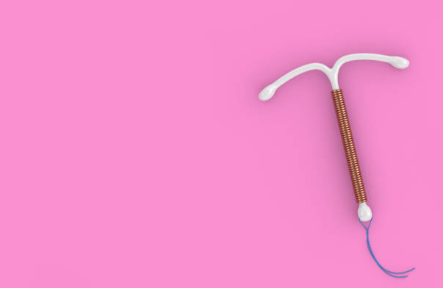
Women’s Health procedures don’t have to be painful. Why are IUD insertions painful…Steps of IUD Insertion:
Preparation:
The patient is positioned on the exam table like during a pelvic exam.
A speculum is inserted to visualize the cervix.
The cervix may be cleaned with an antiseptic solution.
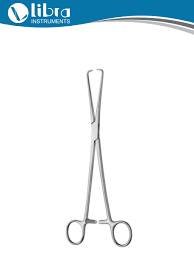
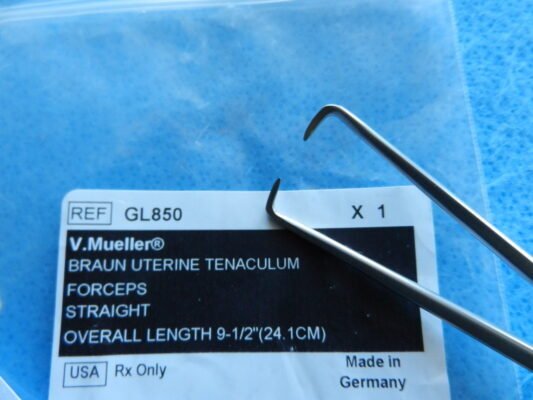
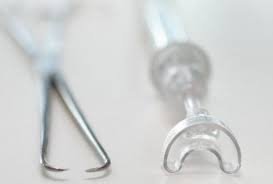
A tenaculum (a grasping instrument) may be used to stabilize the cervix (see photo below)
Measuring the Uterus:
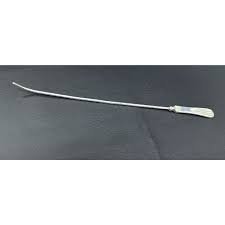
A uterine sound (a thin measuring instrument) is gently inserted to determine the depth and position of the uterus (photo below).
IUD Placement:
The IUD, preloaded in an applicator tube, is inserted through the cervix into the uterus.

The arms of the IUD open into a T-shape once inside and gently pushed out of the inserter.
The inserter is withdrawn, leaving the IUD in place.
The strings of the IUD extend into the vagina and are trimmed to a length of about 3–4 cm.
After the Procedure:
The speculum is removed, and the patient is given time to rest if needed.
Some cramping and spotting may occur for a few hours or days.
A follow-up check is often recommended after a few weeks.
What to Expect During and After:
Discomfort: Some patients experience mild to severe cramping during insertion.
Recovery: Most resume normal activities the same day, though some prefer to rest.
Possible Side Effects: Spotting, cramping, and changes in menstrual cycles are common, depending on the type of IUD.
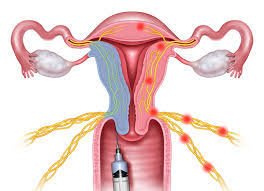
Some providers do not give their patients anything for pain control beyond Ibuprofen. I provide my patient’s regional anesthesia called a paracervical block. It involves injecting a local anesthetic (e.g., lidocaine or bupivacaine) into the paracervical area, which is the tissue surrounding the cervix.
How It Works:
The local anesthetic blocks nerve signals from the cervix and lower uterus. It also helps the internal opening to the uterus to relax.
This reduces pain perception, making procedures more tolerable.
The numbing effect typically lasts 30–60 minutes.
There is a new product from Switzerland that is designed to replace the tenaculum with a suction device called Carevix. Unfortunately it’s not available in the US at this time, but as soon as it is guess who getting some. See picture below.
BTW here is a real Google review from one of my patients:
“Got my IUD replaced and Anne-Marie was amazing. I had a bad experience with the last two insertions, so I’ve been understandable nervous. She and Kelly have outstanding bedside manner and know how to put you at ease. Anne-Marie is empathetic, caring, gentle, funny, and light-hearted when it all counts immensely. Highly recommend her, AND Kelly. I feel so taken care of, safe, and listened to after going here.”
Comments are closed